
STRATEGIC PLANNING FOR CLOUD APPLICATIONS
Webapper Shared Tips & Resources
Save time, deliver better customer experiences, and maximize your technology investment.

Small Businesses Haven’t Seen the Need for AI (Yet)
Why aren’t more small businesses using AI? It is not mainly cost or complexity. A new survey finds that most owners simply have not found a clear use case. Here's how to uncover the first workflow worth improving...without turning your business into a science experiment.

AI Implementation for SMBs
Before comparing AI models, fix the workflow they will run. Stanford’s research on 51 successful deployments shows that readiness, process design, leadership, and willingness to learn matter more than the model. Here is a practical 4-step AI implementation checklist for small businesses.
AI Vendor Due Diligence
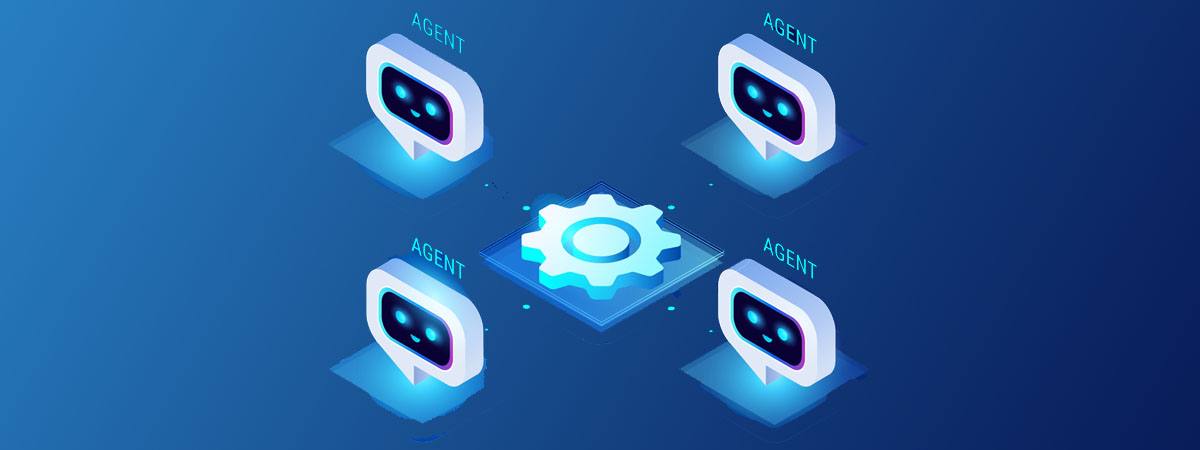
Your SaaS vendor’s AI feature may be running a different model, in a different place, under different data rules than when you signed the contract. Here are three AI vendor due diligence questions every SMB should ask before renewal—and why vague answers should make you nervous.

AI Automation for Small Business
Your IT provider already knows your systems...but can they actually build and support an AI workflow for your business? Ask these five questions before your automation project gets stuck in “scoping” forever.
The Hidden Time Cost of AI Tools for SMBs
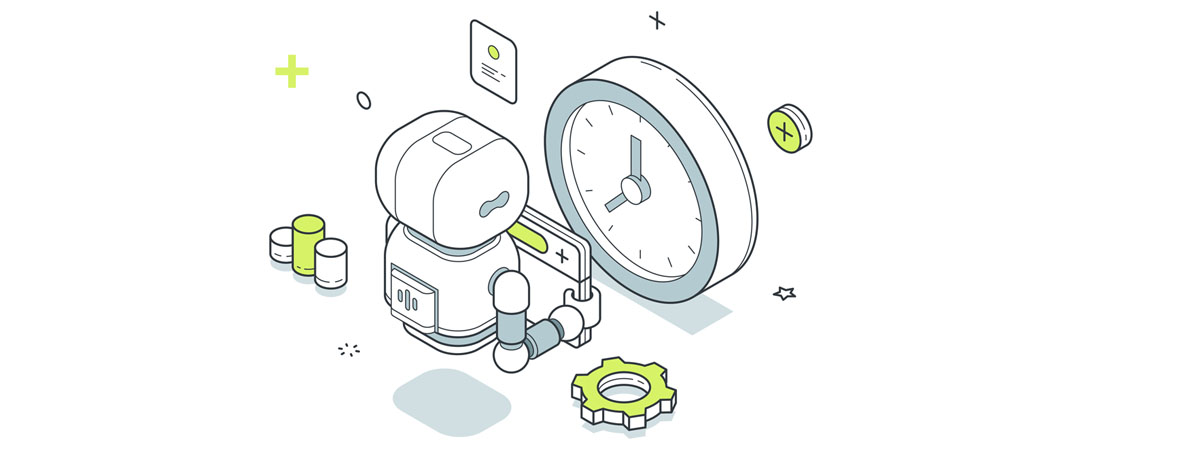
AI tools promise small business teams hours back every week. But prompt iteration, output review, workflow changes, and retraining can quietly consume those savings. Here’s how to calculate the real productivity gain.

The SMB Executive’s Guide to AI Adoption Buy-In
Your employees may already be using AI at work...and hiding it. Learn how SMB leaders can earn AI adoption buy-in through clear communication, low-risk workflow pilots, practical policies, and measurable time savings.

How Do You Know When an AI Agent Has Gone Rogue?
AI agents rarely fail with a dramatic warning. They fail quietly: confident wrong answers, unexplained actions, rising costs, and a team that starts checking their work “just in case.” Here are 6 signs your AI agent is drifting outside its lane...and what to monitor before it becomes an expensive incident.
Your Data Isn’t AI-Ready
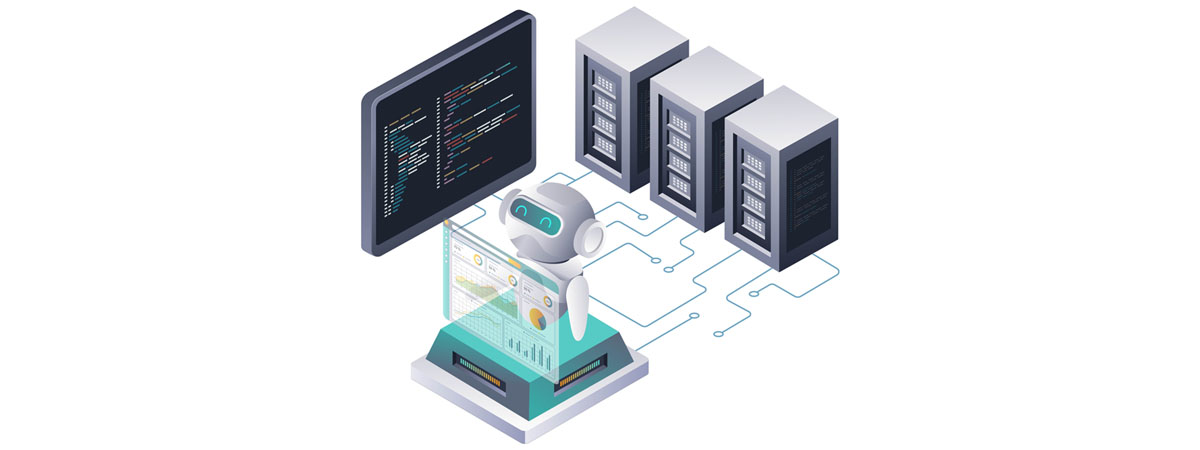
Only 5% of organizations say their data is ready for AI. Learn the four questions SaaS teams should ask to identify the real blockers, before an AI pilot becomes an expensive demo.

Is Your Business Ready for AI?
Is your business actually ready for AI, or just ready to buy another tool? This 10-point SMB checklist helps you assess your readiness, avoid expensive misfires, and figure out what to fix before you pilot generative AI.

Why Your First AI Project Probably Failed
Most AI projects don’t fail because of bad models. They fail from poor scoping, weak ownership, messy data, and enterprise-sized ambitions. Here’s how SMBs can fix it and see real results.

Need Strategic Planning for Cloud Applications?